President’s update: SA’s aged care crisis, smarter health spending and the doctors our system relies on
Older South Australians are waiting too long for aged care, hospitals continue to feel the pressure, and the debate about our future medical workforce is gathering pace. In this month’s president’s update, Associate Professor Peter Subramaniam shares how AMA SA is ensuring doctors' voices are heard when decisions are being made.
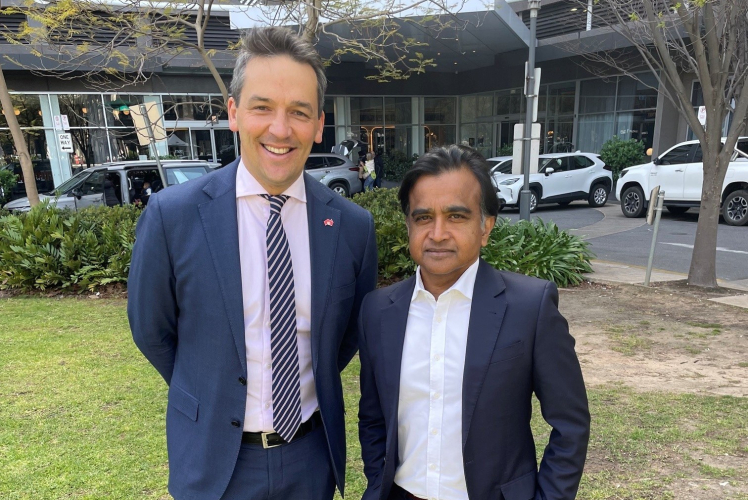
Last week the AMA released its first Aged Care Report Card and the findings for South Australia are stark.
Older South Australians are facing the longest wait in the nation for residential aged care, with a median wait of 295 days in 2024–25, well above the national median of 162 days. Alarmingly, one in ten people approved for aged care waited 1,610 days, or almost four and a half years, before securing a place.
These ballooning wait times have occurred alongside a failure to keep pace with demand. South Australia has added just 551 residential aged care places over the past decade despite substantial growth in the older population, leaving the state with the sharpest decline in aged care capacity per head of population in the nation.
The consequences are increasingly being felt in our hospitals. In 2023–24, South Australians approved for and waiting for aged care used a record 61,478 hospital bed-days. For patients and families, that means extended stays in a setting that cannot provide the care or quality of life they need. For clinicians, it means beds remain unavailable for patients requiring acute care.
In a letter to Health Minister Blair Boyer, and again in our face-to-face meeting this week, I reiterated that this is that will require coordinated action from Adelaide and Canberra.
We are calling on the Commonwealth to:
- increase access to residential aged care places, Support at Home packages and transition care
- reduce delays in assessments, home care and residential placement
- improve Medicare support for GPs providing care in residential aged care, including care that prevents deterioration and avoidable hospital transfers
- contribute to the cost of hospital stays when an older person has been approved for aged care but no suitable place is available.
We are calling on the State Government to:
- ensure its $250 million loan scheme delivers beds for hospital patients who are most difficult to place, particularly people with dementia, behavioural needs and other complex conditions
- build on Hampstead as a permanent specialist dementia and complex-care service for people traditional aged care providers are unable to accommodate
- strengthen GP, geriatric outreach, virtual care and hospital-avoidance support in residential facilities
- publish regular data showing how many patients are waiting in hospital for aged care, why they are delayed and the impact on hospital capacity.
One of our key recommendations is to expand the model of care being developed at Hampstead, where complex-care beds are already fully utilised. We believe there is a strong case for growing specialist services that can support older patients with dementia and other complex needs who are often the most difficult to place.
At a joint press conference on the day of the report card's release, Minister Blair Boyer indicated he would examine the recommendations we have presented. During our meeting on Tuesday, he also indicated he is open to our data transparency recommendation.
We will continue discussing this matter with him in and pressing for a coordinated response from the State and Commonwealth governments. We must not forget that aged care is healthcare.

Smarter health spending
We know there is not a bottomless pit of money available to address challenges such as aged care, which is why on 10 September AMA SA CEO Simon Jones and I met Treasurer Tom Koutsantonis to discuss the shared challenge of improving care in a way that is sustainable for South Australia.
Our discussion focused on how investment in cost-effective parts of the health system, including community care and aged care, could improve productivity, help people receive care earlier and reduce avoidable pressure on hospitals.
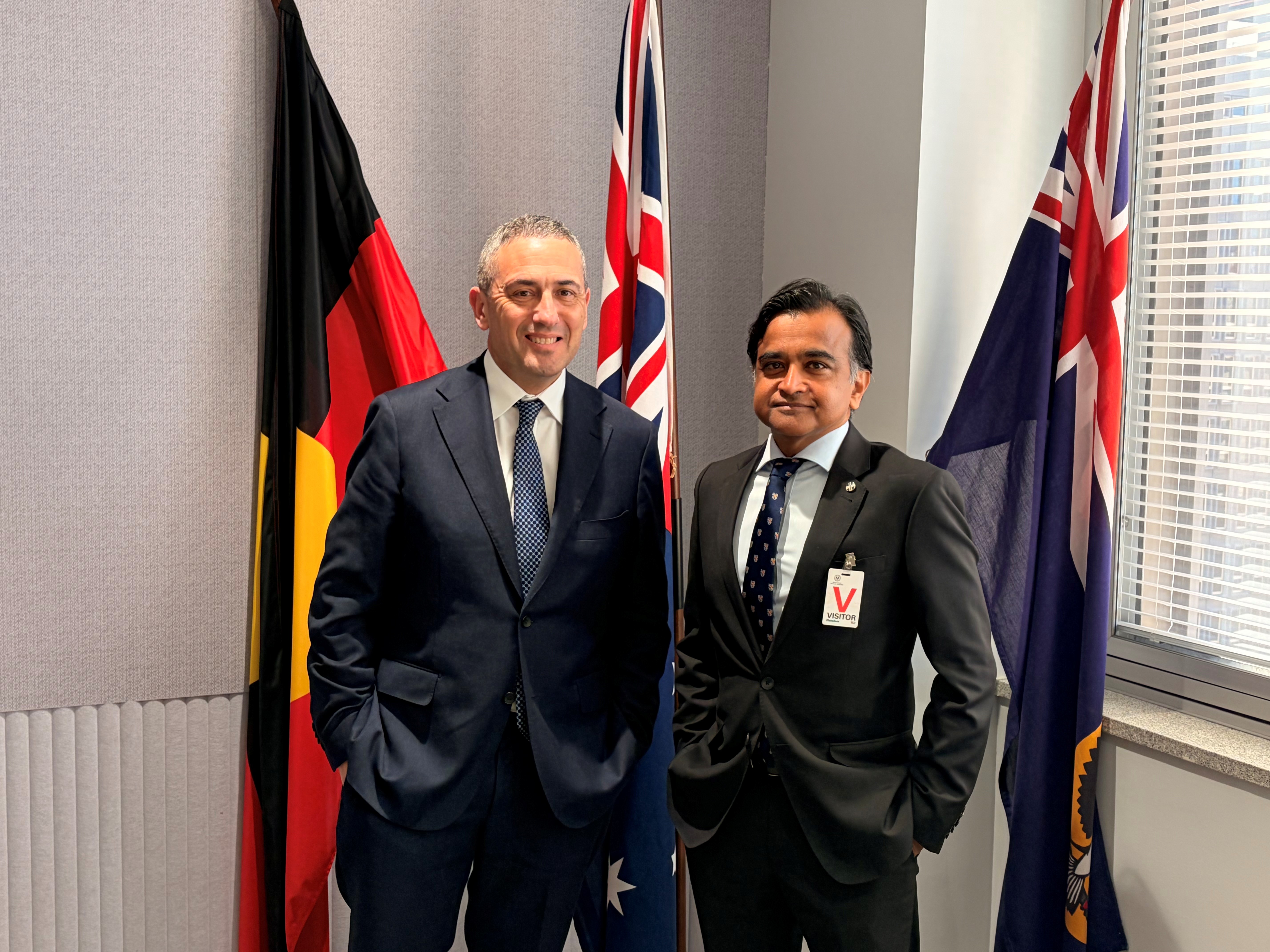
We also discussed AMA SA's proposal for a demand-driver dashboard showing who is on the ramp and why. Better visibility of what is driving demand would help government direct funding to the parts of the system where it can have the greatest impact.
Importantly, we discussed establishing a regular dialogue on these issues. We are optimistic these conversations will create opportunities to advance practical reforms that improve the productivity of health spending while protecting access to high-quality care, and we look forward to updating members as that work progresses.
The doctors our health system relies on
Migration has been a prominent issue in the national conversation in recent weeks. In healthcare, that discussion must recognise the essential contribution of international medical graduates.
Overseas-trained doctors are central to the delivery of care across Australia, particularly in regional communities. In many South Australian towns, the practical choice is not between a locally trained doctor and an international medical graduate. It is between an international medical graduate and no doctor at all.
Australia must continue to welcome and support these doctors while building a stronger domestic pipeline in the locations and specialties where need is greatest. These objectives are complementary, not competing.
I explored this issue in more detail in a recent opinion piece for InDaily, which you can read at the below link.
Celebrating women in medicine
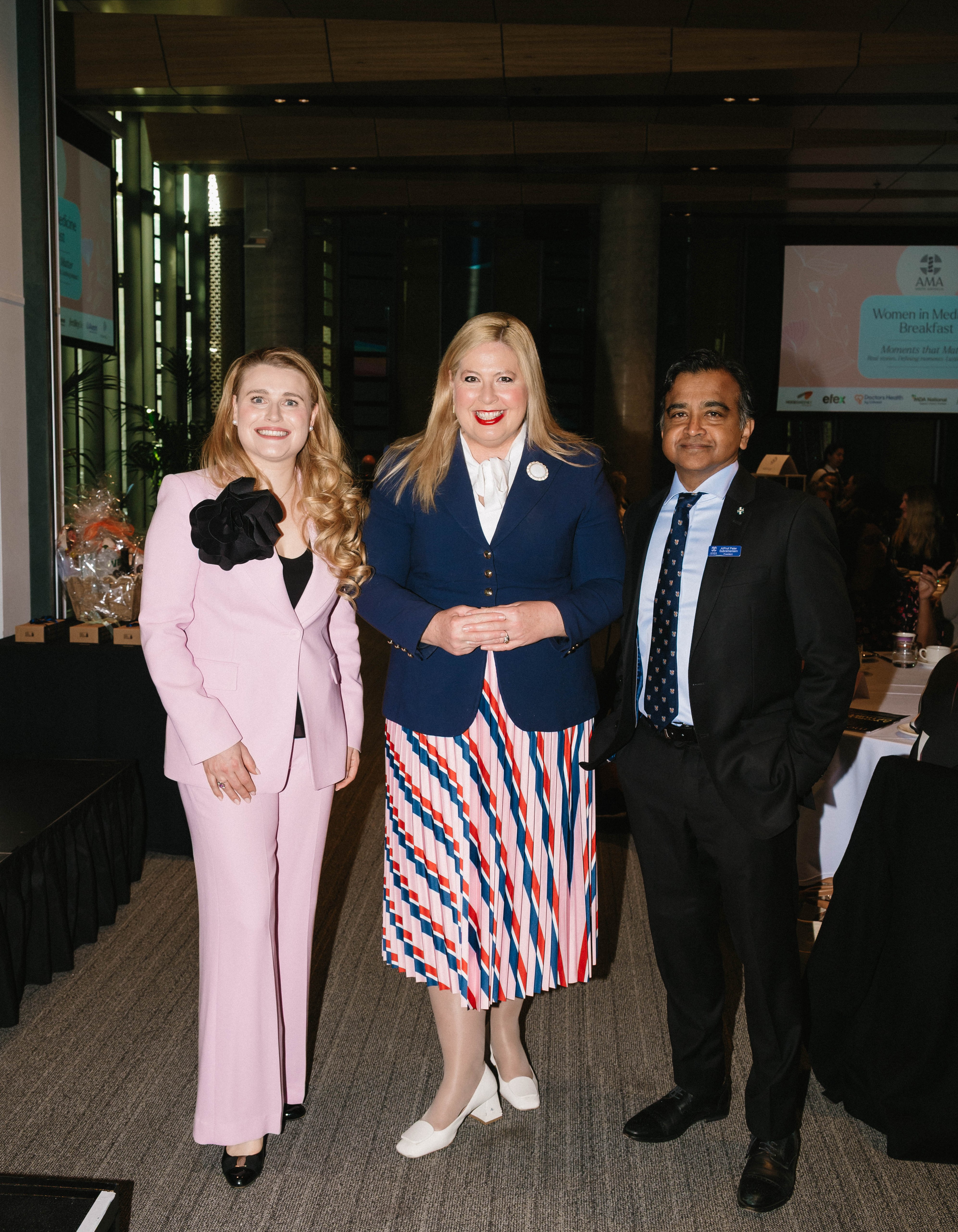
AMA SA was delighted to host another successful Women in Medicine Breakfast this month, featuring an insightful discussion between Dr Chloe Furst and Dr Samantha Pillay, facilitated by Dr Emily Kirkpatrick.
The conversation explored leadership, career development and the experiences of women in medicine, while recognising the enormous contribution women make to patients, colleagues and communities across South Australia every day.
A profession where everyone can thrive is better for doctors, patients and the health system. Thank you to everyone who joined us for what was a thoughtful and engaging discussion.
Welcoming a new SA Health Chief Executive
Finally, I'd like to welcome Robyn Lindsay to her new role as Chief Executive of SA Health. Since her arrival in the Department in March 2025, I have valued working with Robyn through the AMA SA Access to Care Round Table meetings and on regional surgery reform. I look forward to continuing that constructive partnership with the profession in the period ahead.
I'd also like to thank outgoing Chief Executive Dr Robyn Lawrence. Robyn has taken our calls, read our papers, disagreed with us plainly when she disagreed, and acted where the evidence warranted it. She has never asked us to soften a position, and we have never had to guess where she stood. That candour, and the willingness to communicate, is what an effective relationship between a peak body and a department looks like, and it is what we will ask of her successor.
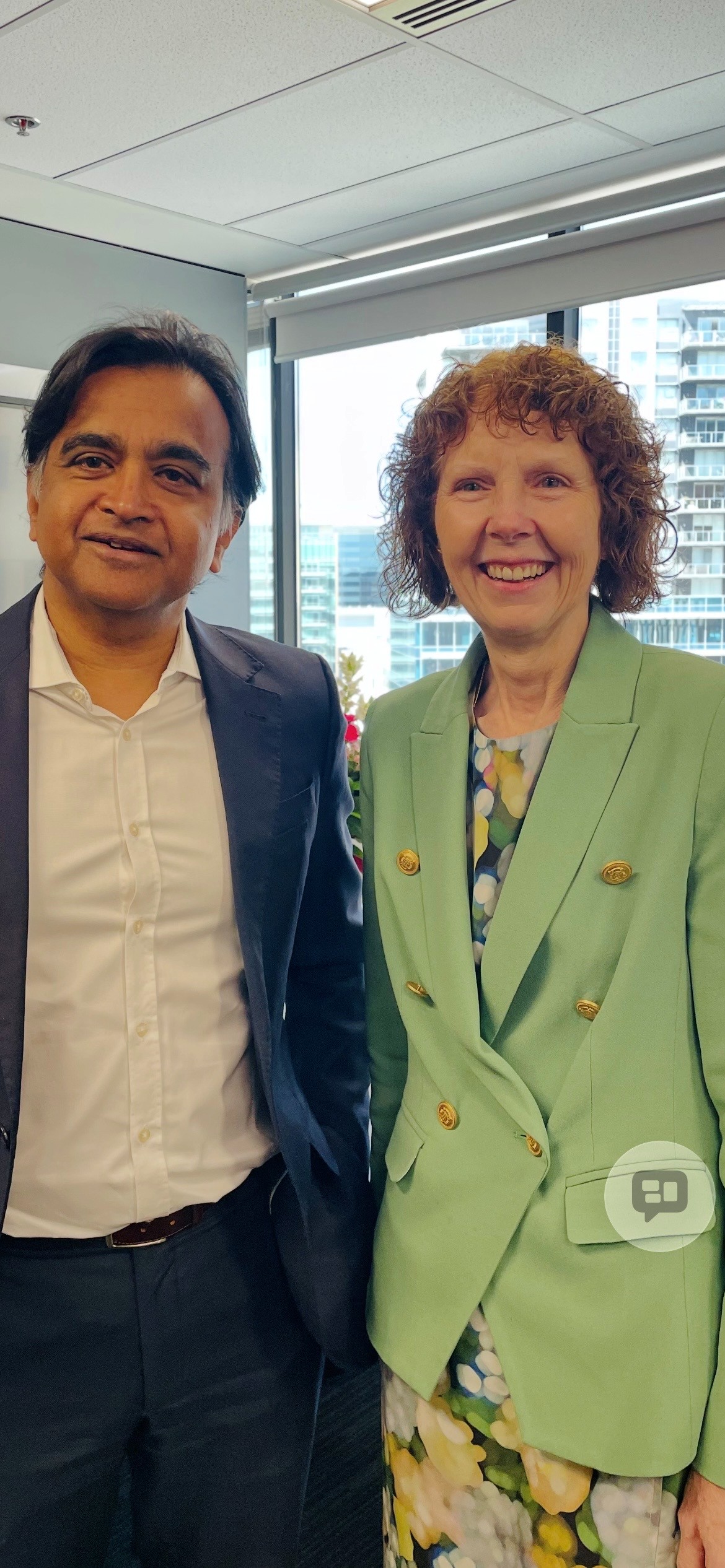
Advocacy that changes anything depends on two relationships, not one. Ministers set direction, but the machinery of the Department, the people who draft the budget bids, run the data, negotiate with the Commonwealth and turn a commitment into a service, determines whether that direction becomes delivery. AMA SA's influence rests on being trusted at both levels.
On behalf of AMA SA, I thank Robyn for her service to South Australia and wish her well.