President’s update: corridor care, private health insurance reform and new leadership at the AMA
In this month's President's Update, A/Prof Peter Subramaniam provides an update on AMA26, hospital overcrowding, the Thriving Kids rollout, private health insurance reforms and other key issues affecting South Australian doctors and patients.
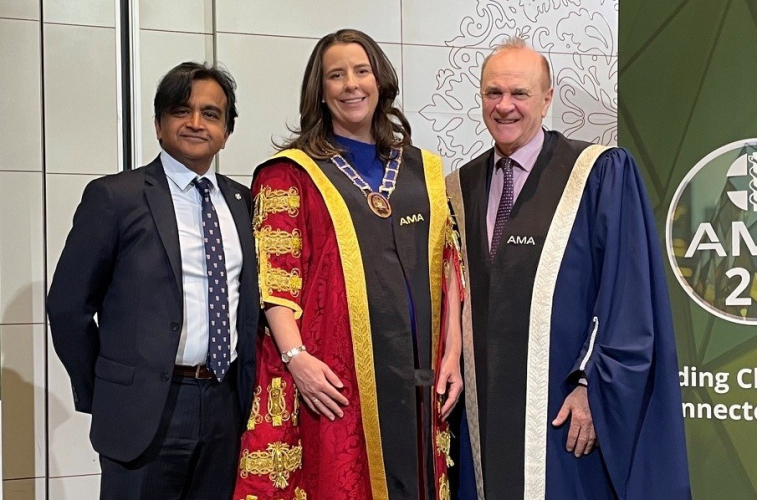
I've just returned from the AMA26 National Conference in Melbourne, where it was great to catch up with colleagues from across the country for two days of engaging and wide-ranging discussion.
The centrepiece of the conference was the election of the next Federal President, Dr Michael Bonning, and Vice President, Dr Sarah Whitelaw. Both doctors bring considerable experience to their respective roles, and I look forward to working closely with them when they take up their positions on 2 November.
Dr Danielle McMullen and Associate Professor Julian Rait will remain in their roles until then to assist with the leadership transition. They leave the AMA in a strong position after a term marked by effective advocacy and a steadfast commitment to improving outcomes for doctors and patients.
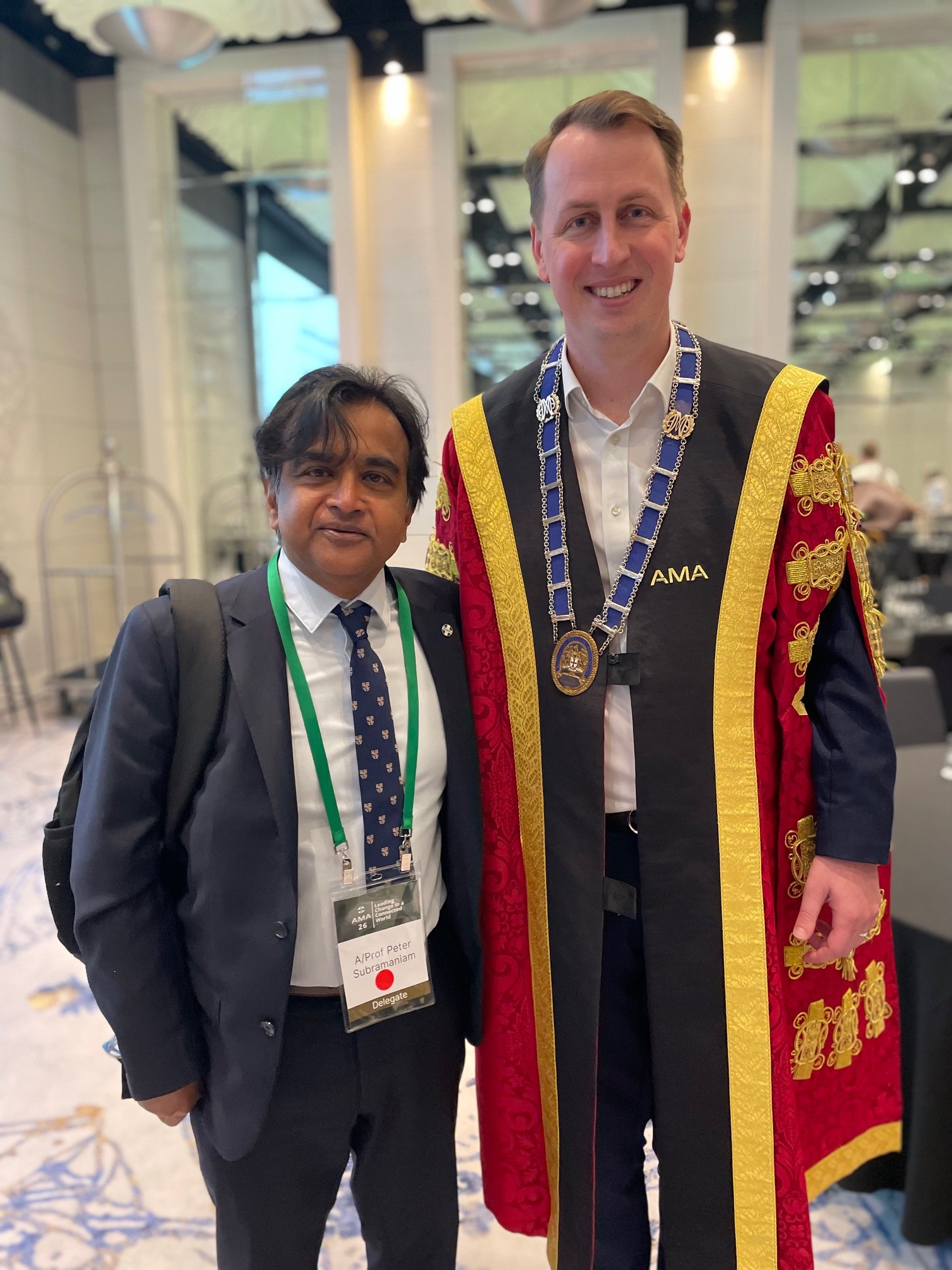
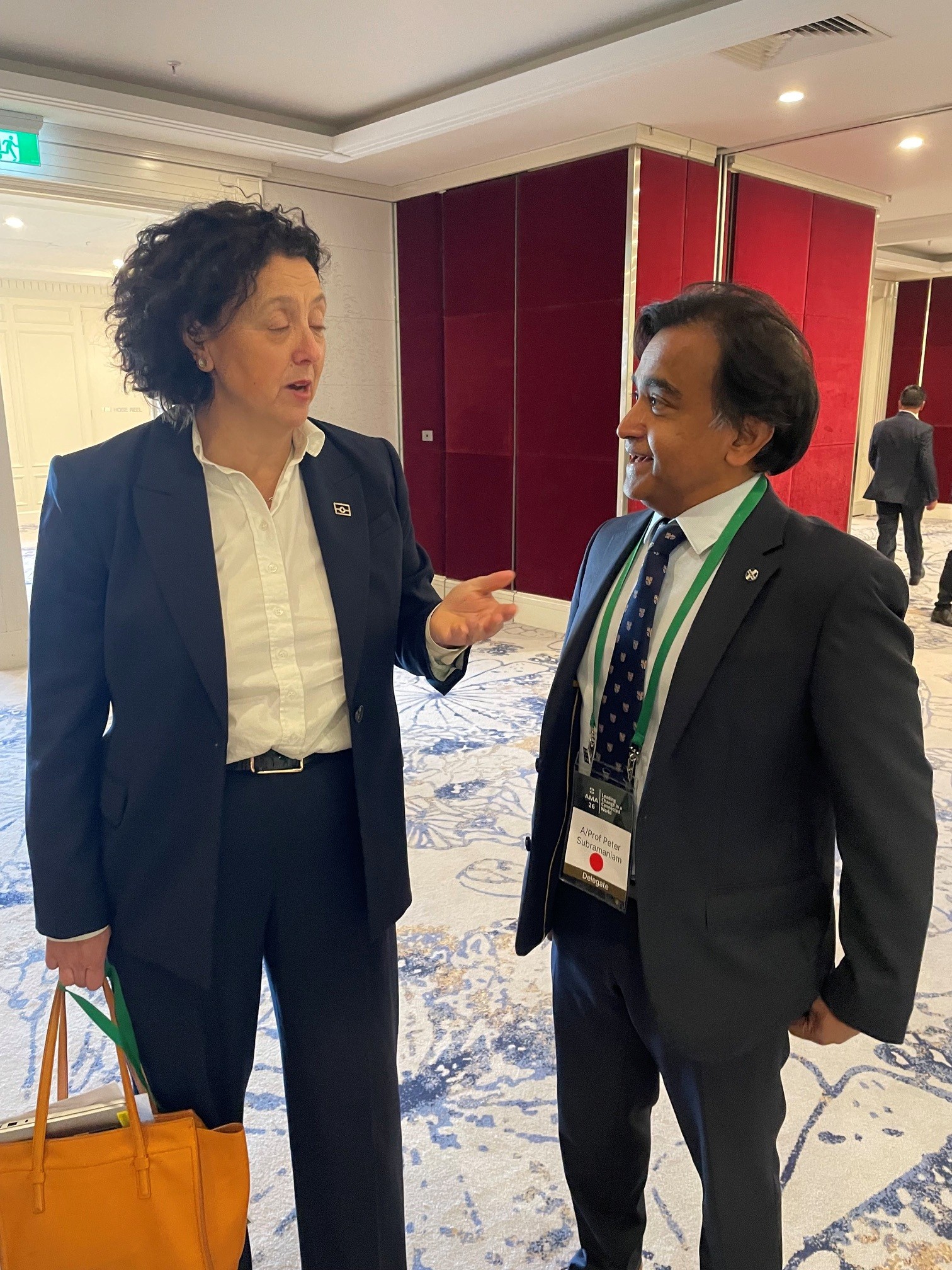

I'd also like to congratulate the doctors who were honoured for their incredible contributions to medicine and the profession at AMA26, including two local members, Dr Samantha Pillay OAM and Dr Danny Byrne.
Sam, who is South Australia's first female urologist and the first in Australia to exclusively sub-specialise in female and functional urology, was awarded the Women's Health Award for her trailblazing work in gender equity, patient care and leadership. Happy Valley GP Danny Byrne received the Excellence in Healthcare Award in recognition of his significant contributions to general practice over more than 30 years.
You can read more about their achievements and other award recipients here.
Supporting SA kids
Here in South Australia, our advocacy work continues on multiple fronts. One issue we're watching closely is the rollout of the Thriving Kids program, which will provide support for children aged eight and under who need extra help with their development, progressively replacing individualised NDIS plans.
We're concerned that less than a month out from the commencement of the program on 1 October, key information is thin on the ground and there appears to have been limited clinical consultation.
We've called on the South Australian Government to publish the Thriving Kids service model and transition arrangements before the program commences next month. We're also calling for formal consultation with doctors to help design and implement the program and ensure no child falls through the cracks during the transition.
You can read our media release below and we'll keep you updated on the Government's response and any further developments.
Corridor care
Pressure on our public hospitals continues to dominate headlines, and we can expect that to continue in coming days with the release of August's ramping data.
But attention is also turning to a different set of figures. SA Health is under pressure to be more transparent about corridor care, including publishing data on how many patients are being treated in corridors and for how long.
AMA SA's position on corridor care is clear: it must be a temporary pressure valve only, and patient safety must be paramount. We recognise there are times when doctors have no choice but to treat patients in corridors, but this must be accompanied by frequent monitoring, clear line of sight and robust escalation protocols.
Importantly, corridor care is a symptom of deeper pressures across the health system. That's why we continue to call for action on the underlying causes, including shortfalls in aged care, community care and support for GPs.
Private health insurance
One thing that will almost certainly exacerbate hospital overcrowding is the Federal Government's plan to cut private health insurance rebates for those aged 65 and older.
At the individual level, this will affect people, including vulnerable older South Australians, who will downgrade their policies or abandon private health insurance altogether.
It will also add pressure to public hospitals. Every uninsured or underinsured patient enters a system where South Australians are already waiting too long for elective surgery.
These concerns have been raised by both SA Health and the Federal AMA in separate submissions to the Senate committee examining the proposed changes, and AMA SA stands in full support.
While we commend the Federal Government's efforts to secure additional funding for aged care, this should not come at the expense of older Australians' access to healthcare or our already overcrowded public hospitals.
E-bike advocacy
Two weeks ago I joined RAA Senior Road Safety Manager Charles Mountain at a joint press conference to highlight the need for practical, evidence-based e-bike safety reforms, including a minimum riding age of 16.
While AMA SA and the RAA approach this issue from different perspectives, we're united in our commitment to reducing preventable harm. E-bikes offer many benefits, but doctors are increasingly seeing the consequences when things go wrong, particularly among young riders who are still developing the judgement, coordination and hazard awareness needed to manage the risks safely.

AMA SA will continue working with the RAA, community organisations, government and its agencies to improve education and awareness, and reduce the devastating impact these injuries can have on South Australian families.
Special thanks to Dr Monika Moy, Chair of AMA SA's Road Safety Committee, who has led much of AMA SA's work in this area.
New CMO
Finally, I would like to warmly welcome the appointment of AMA SA member Dr Jayanthi Jayakaran as the state's next Chief Medical Officer.
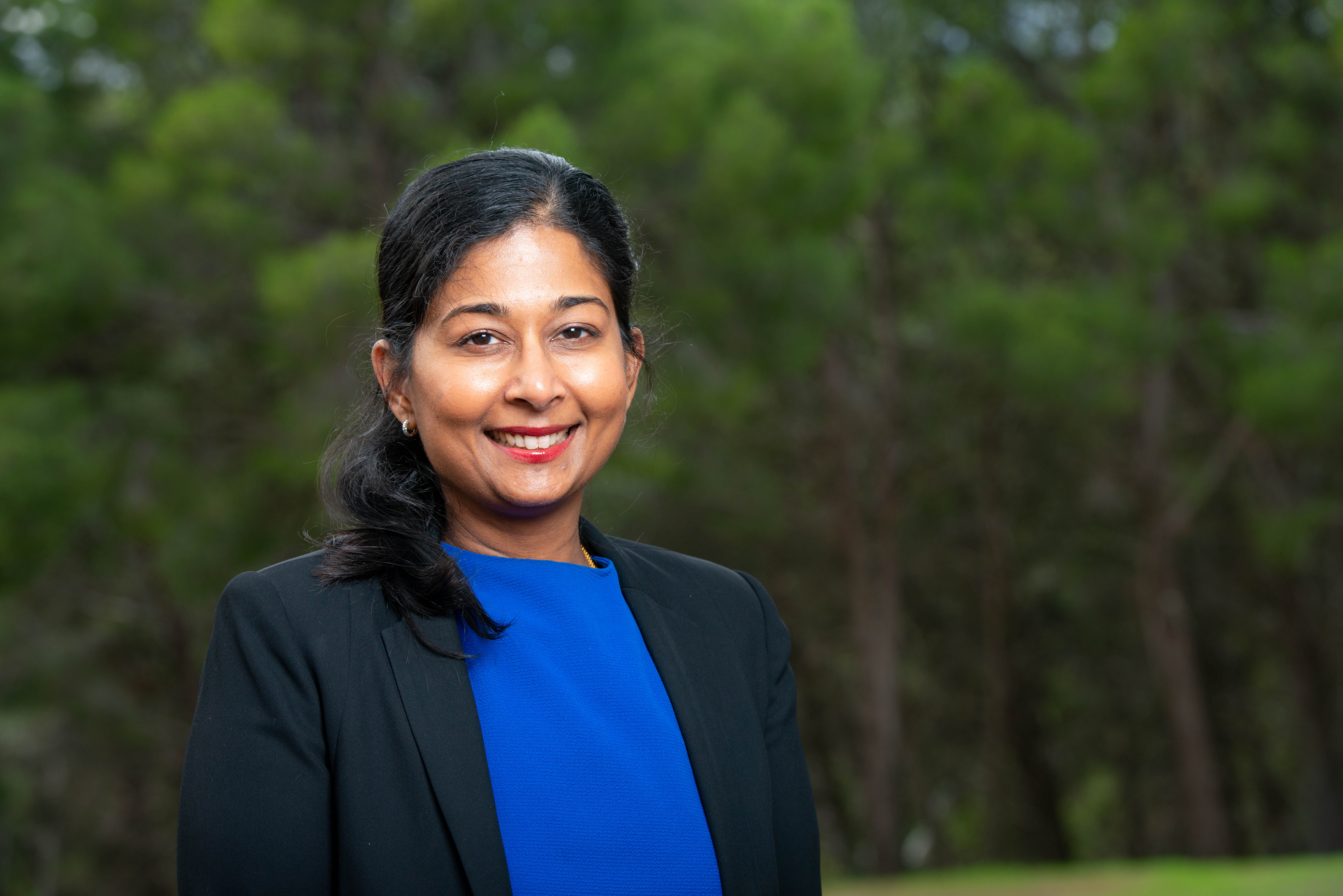
Jay brings more than two decades of experience in executive medical leadership, clinical governance, service planning, medical education and workforce development. We look forward to working with her and are confident the relationship between AMA SA and the Office of the Chief Medical Officer will remain constructive and productive for doctors and patients.