President’s update: Specialist fees, new rest provisions & rural maternity services
In this month’s President’s Update, A/Prof Peter Subramaniam discusses some of the issues AMA SA has been pursuing on behalf of members, from specialist fees and rest provisions to aged care and rural maternity services.

Standing up for specialists on affordability
Many non-GP specialist members are reporting that they feel they have become scapegoats in the debate about rising out-of-pocket costs for patients. As a private specialist, I understand and share their concerns and frustration. Too much of the public debate on specialist fees focuses on the fees doctors charge and too little on the factors driving those fees, including the widening gap between Medicare rebates and the real cost of delivering care.
That’s why AMA SA has lodged a submission to the Australian Government’s Consultation on Specialist Affordability, while also supporting the Federal AMA’s response that aligns closely with our own. Our message is clear: reforms must address the broader factors driving healthcare affordability, not just specialist fees.
Our submission points out that over the decade to 2024-25, specialist fees rose 36% in real terms while Medicare benefits rose 14%, with Medicare’s share of the fees falling from 65% to 55%. It argues that after years of Medicare freezes and inadequate indexation, the MBS schedule fee does not reflect the real cost of providing specialist care and should not be used as the benchmark for determining whether a fee is excessive.
Among our 12 recommendations, AMA SA is calling for Medicare rebates to be indexed against the real cost of providing care, alongside greater transparency around how much private health insurers contribute towards specialist care.
In South Australia, affordability is also an access problem. When public specialist services can’t meet demand, patients face a difficult choice: pay for private care or wait. Those who can’t afford private care may remain on public waiting lists and never appear in the out-of-pocket cost statistics at all.
That’s why we’re also calling for smarter, more targeted investment in public specialist clinics and operating theatres, making the best use of existing capacity so patients who rely on the public system can find and receive the care they need.
The full AMA SA submission is available on our website.
10-hour rest provisions: clarity needed on implementation
I’ve heard from colleagues working in the public hospital system who have concerns about the implementation of the 10-hour rest provisions for senior medical practitioners under the Salaried Medical Officers Enterprise Agreement 2025.
The concerns are practical. How will hospitals implement the provisions without significantly disrupting services, delaying surgery or placing additional pressure on colleagues? Members are also seeking clarity around remuneration when rostered work cannot be completed because of the required rest period, and the potential indemnity implications for doctors who do not comply.
I have written to Health Minister Blair Boyer asking for:
- clear guidance on implementation and assurance that LHNs are ready to manage the ramifications of this change
- evidence of consistent implementation processes and guidance across LHNs
- statewide monitoring of compliance and impacts on patient access and clinical services
- workforce support where improved rostering alone is not enough.
To be clear, AMA SA unequivocally supports the need for doctors to receive adequate rest to protect their own safety, health and wellbeing, and that of their patients. This is not about questioning those entitlements or becoming involved in the machinations of interpretation or enforcement. It is about making sure the system is properly equipped to implement them. I’ll update members when we receive a response.
Creating safer healthcare workplaces
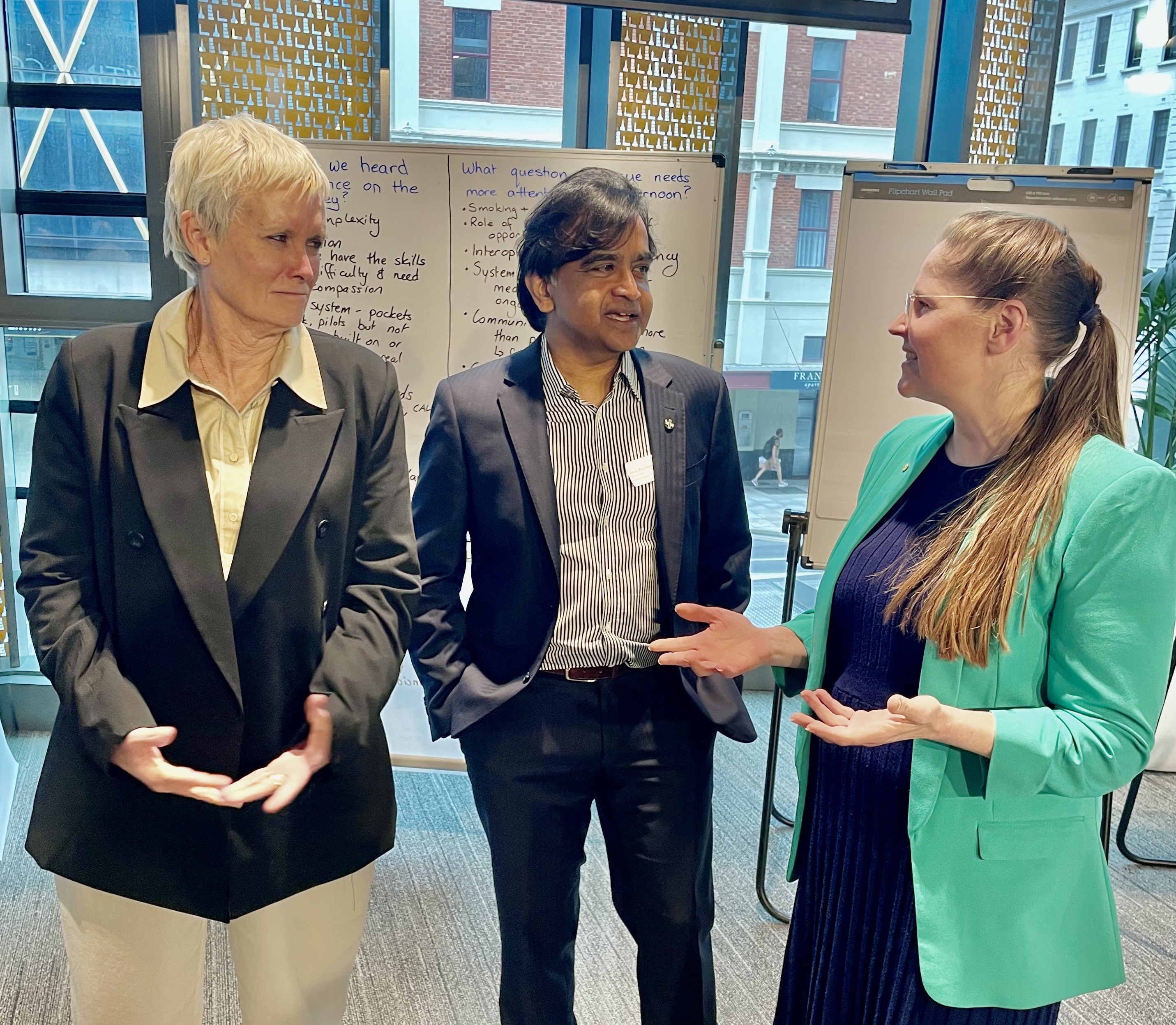
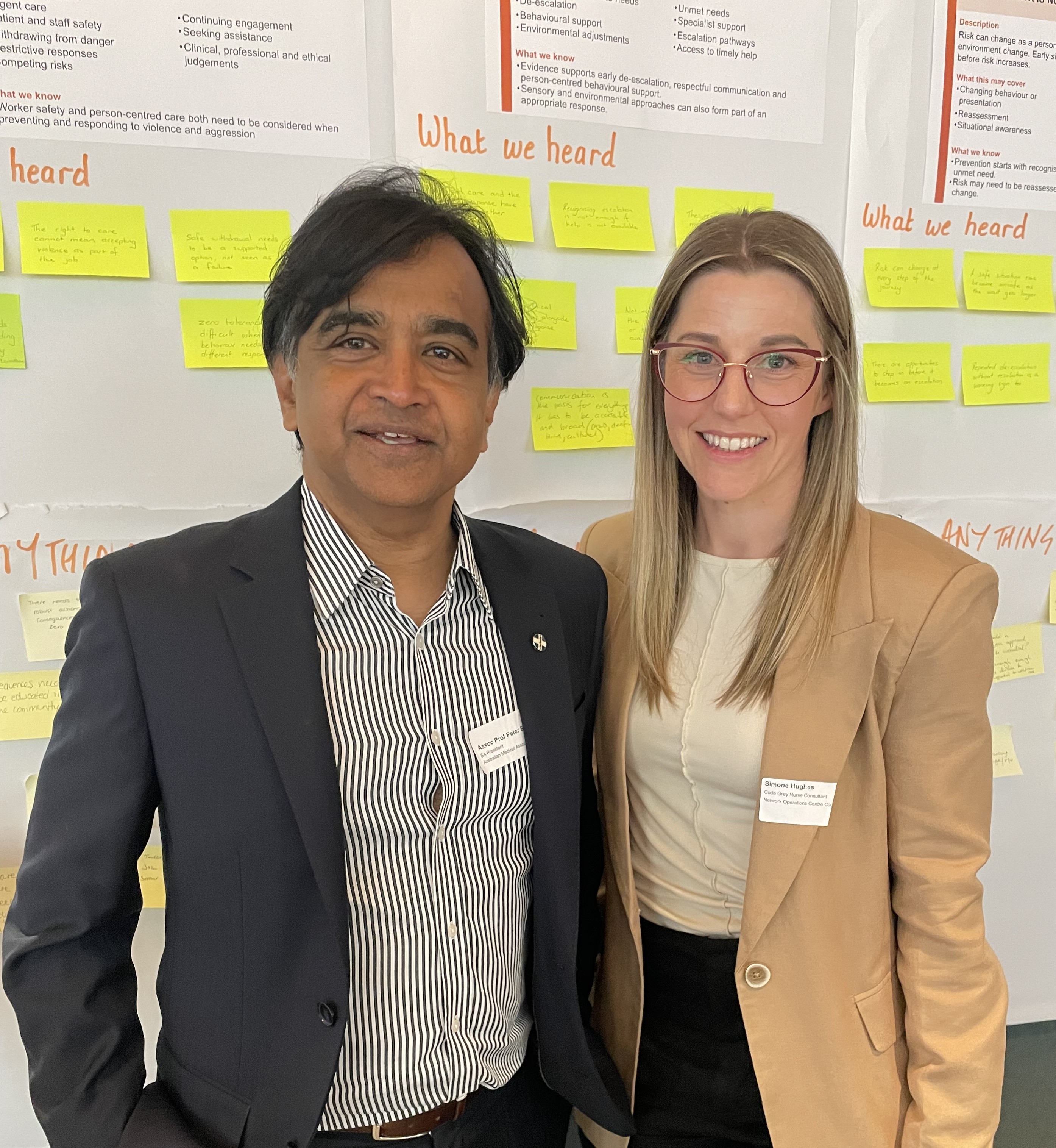
This week I represented AMA SA at the Department for Health and Wellbeing’s Creating Safer Healthcare Workplaces Roundtable. Violence and aggression towards doctors, nurses and other health workers remain an unacceptable reality across our hospitals and community settings, and no one should go to work expecting to be abused or assaulted. It was encouraging to see clinicians, unions, professional bodies and the department representatives at the same table. AMA SA’s message was clear: in South Australia, we have no shortage of policies; what we need now is effective implementation, adequate resourcing and clear accountability so that protections are felt on the ward and in the clinic, not just written on paper. We will continue to work with the department and our colleagues to make sure the momentum from the Roundtable turns into practical change for the healthcare workforce.
Aged care: we need a plan
South Australia’s aged care crisis continues to feature prominently in the headlines. Last month, the State Government announced that, for the first time, the number of older South Australians waiting for Commonwealth aged care places had exceeded 500.
Our position is that the time for simply identifying the problem has long passed. Through the media, we’ve called on the State and Commonwealth Governments to urgently publish a joint plan setting out how many aged care and transitional complex-care places are opening, when they will come online, and how they will meet current and growing demand.
Patients, families and the health workforce need much greater certainty about how and when this situation will improve.
Supporting doctors in Jamestown and Crystal Brook
Changes to birthing services at Jamestown and Crystal Brook hospitals have also been a focus for AMA SA in recent weeks. A six-month trial has introduced a ‘one-team, one-site’ model, rotating birthing services between the two hospitals and changing the way local doctors can be rostered across maternity and emergency care. Local doctors have raised concerns about the wider consequences for patients, the rural workforce and other hospital services.
AMA SA has been working to support the doctors, including by advocating directly to Minister Boyer. The Minister has said the changes follow clinical advice, while local doctors have questioned the basis for the changes and called for greater transparency around the evidence and assessment of risk underpinning them.
We’ve made it clear that our interest is in a model that is safe, evidence-based, proportionate and transparent; that sustains the rural obstetric and anaesthetic workforce; and that does not create greater risk elsewhere in the health service. We’ll continue to monitor the issue closely.
Improving access to sexual and reproductive healthcare
On 12 October I met Holley Skene, CEO of SHINE SA. It was valuable to hear directly about the organisation’s work across sexual and reproductive health, and particularly its efforts to reach communities where access to care remains difficult.
There is a lot of common ground between our organisations. AMA SA advocates for equitable access to care, prevention and a strong, GP-led primary care system, and I look forward to building on that shared agenda through our advocacy on access, prevention and screening.
AMA out and about
Away from the advocacy front line, it has been a privilege to join several community and professional gatherings that remind us how much goodwill surrounds our health system.
I attended the Pakistani Medical Association of South Australia Annual Dinner, where it was a pleasure to celebrate the contribution of the association’s members and to support their community support work.
At the Australian Chinese Medical Association Charity Dinner, attendees recognised the efforts of the Sammy D Foundation, which continues to make a real difference for young South Australians and their families.

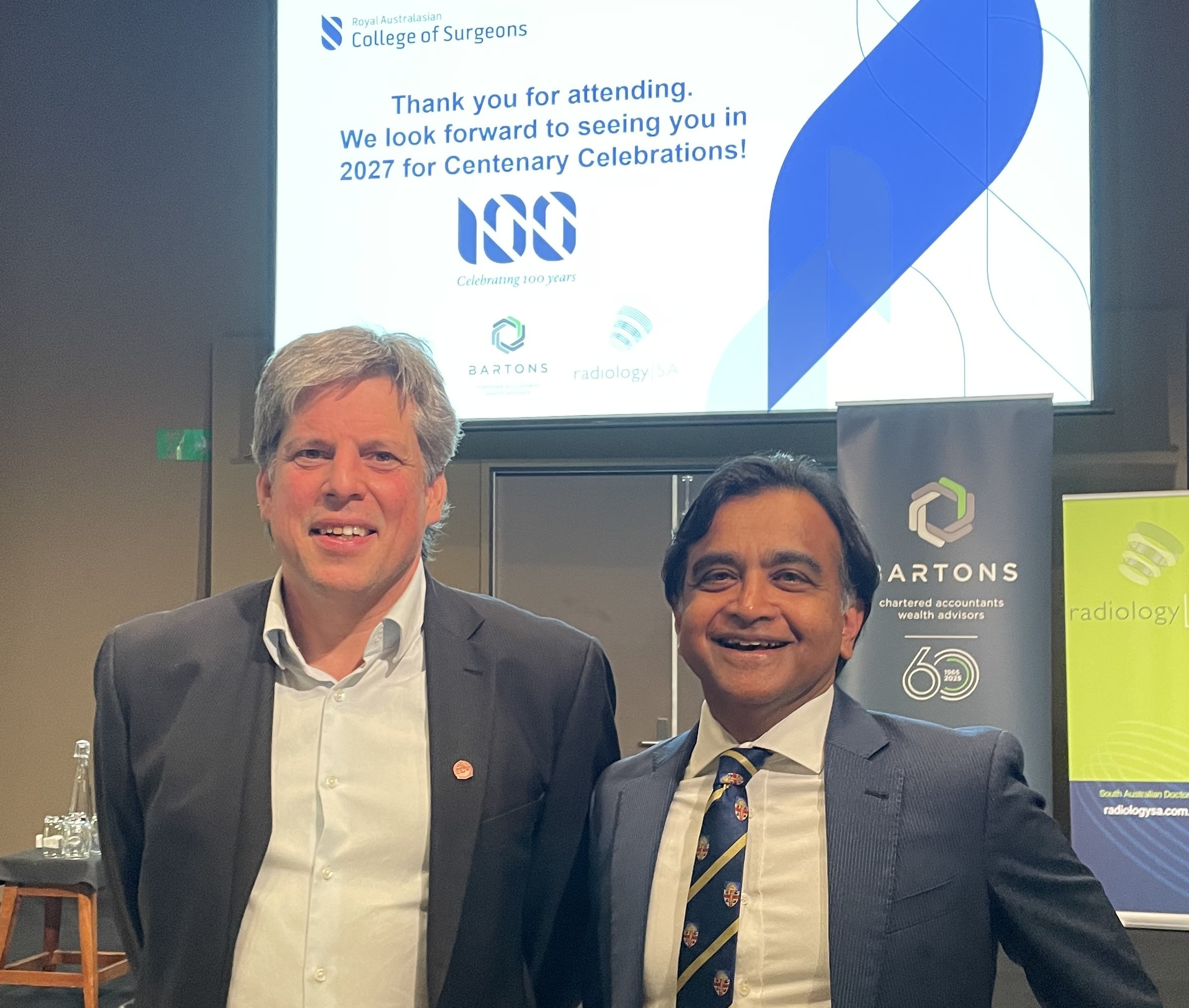
I also attended the annual W Anstey Giles Memorial Lecture of the Royal Australasian College of Surgeons (RACS), as RACS prepares to mark its centenary year in 2027 – a fitting moment to reflect on a century of surgical training, standards and service to the community.
The annual Palliative Care SA Ambulance Wish Charity Dinner was another highlight – a community effort that intersects with the health system in such a positive way, helping people at the end of life fulfil a final wish. AMA SA representatives included Council Chair Dr Karen Koh, along with Dr Lawrie Palmer, Dr Seb Ricci, Dr Krish Sundararajan and Dr Andrew Kellie.
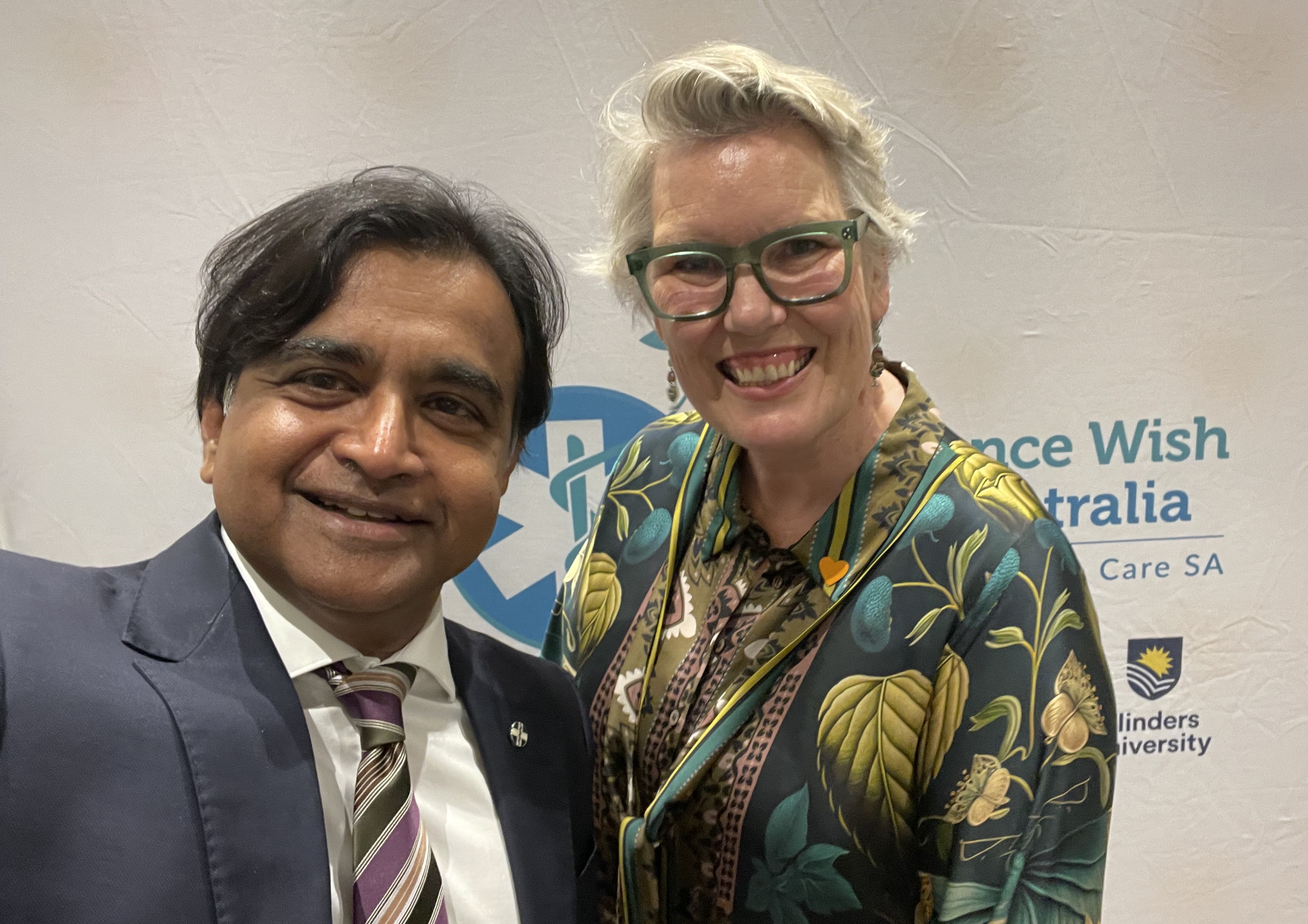
Finally, AMA SA media manager Ben Terry and I were invited to the SA Press Club’s annual networking function. We appreciated the opportunity to network with parliamentarians, other community and advocacy representative and the journalists who form an important part of the healthcare policy ecosystem in South Australia – their work is a critical conduit through which our advocacy reaches patients, doctors and policymakers.